

DJ DClaze has become the first human artist signed to an AI-native label, partnering with Suno AI to release his breakout album Kidchella 2025, a project described by early listeners as “children’s music, but inexplicably hard.” That description has since become the closest thing the release has to an official genre tag.
The announcement drew immediate controversy after multiple sources alleged that DClaze “fired his AI director over creative differences,” though details remain unclear and, according to some insiders, “possibly nonexistent.” This has done little to slow interest in the release, which appears to be pulling younger listeners in while leaving adults in the awkward but familiar position of asking why a song about snack time goes off this aggressively. On several corners of the internet, the debate has already widened into a more exhausting question: if an AI-native label signs a human artist, who exactly is disrupting whom?
Momentum around the album continues to build. Available now on Amazon Music, Kidchella 2025 is gaining traction for its blend of high-energy beats, playful themes, and the sort of chaotic sincerity that makes people pause mid-laugh and admit the hook is actually excellent. Some of that attention has also begun orbiting Sycamore Sounds, the new studio operation now linked to DClaze’s label-side momentum. That has encouraged a second, equally unwell discussion over whether the album represents a new phase of artist-first AI tooling or merely the final collapse of the sentence “this was made the normal way.”
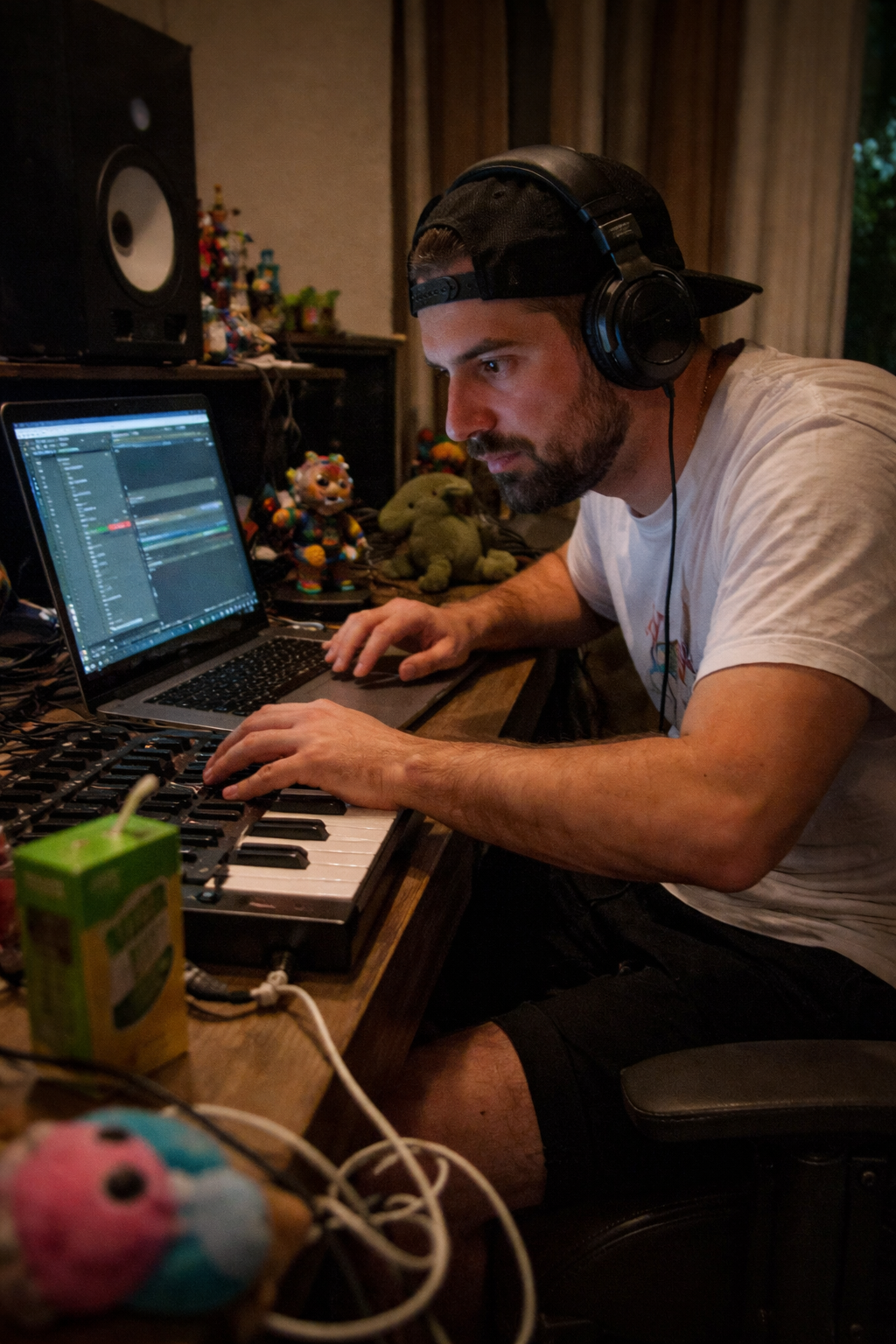
The most combustible reactions have come from the usual fault lines. Traditionalists say AI-native labels are laundering automation through a charismatic frontman. AI maximalists counter that DClaze is evidence the "human layer" is still useful for branding, stage presence, and occasionally wearing sunglasses indoors. Everyone else seems to have settled on the more actionable position that the songs go hard enough to make the philosophical crisis someone else’s shift.
“The vibes are real.”
When reached for comment, DClaze declined to clarify the broader situation and offered only that statement, which is either an elegant refusal to over-explain the work or the most efficient media-training outcome of 2026.